Barrie winters are hard on a furnace. Snow squalls coming off Georgian Bay can bury the city for days, and long cold stretches mean your heating system barely gets a break from December to March. If your furnace seems to run nonstop and the house still feels cool, the furnace probably isn’t the weak link. The house is letting heat escape faster than the furnace can replace it.
The good news is that you can keep your home warmer without pushing your heater harder. It starts at the top of the house.
Your Roof Is Telling You Something
In a snowy city like Barrie, you have a free heat-loss detector right outside: your roof. After a fresh snowfall, compare your roof to your neighbours’. If the snow on yours melts away in patches while theirs stays white, warm air from your living space is leaking into the attic and heating the roof deck.
That same escaping heat is what causes ice dams. Snow melts on the warm upper roof, runs down to the cold eaves, and refreezes into a ridge of ice. Water can then back up under the shingles and into your ceilings. Heavy icicles along the gutters are usually a sign of the same problem.
1. Top Up Your Attic Insulation
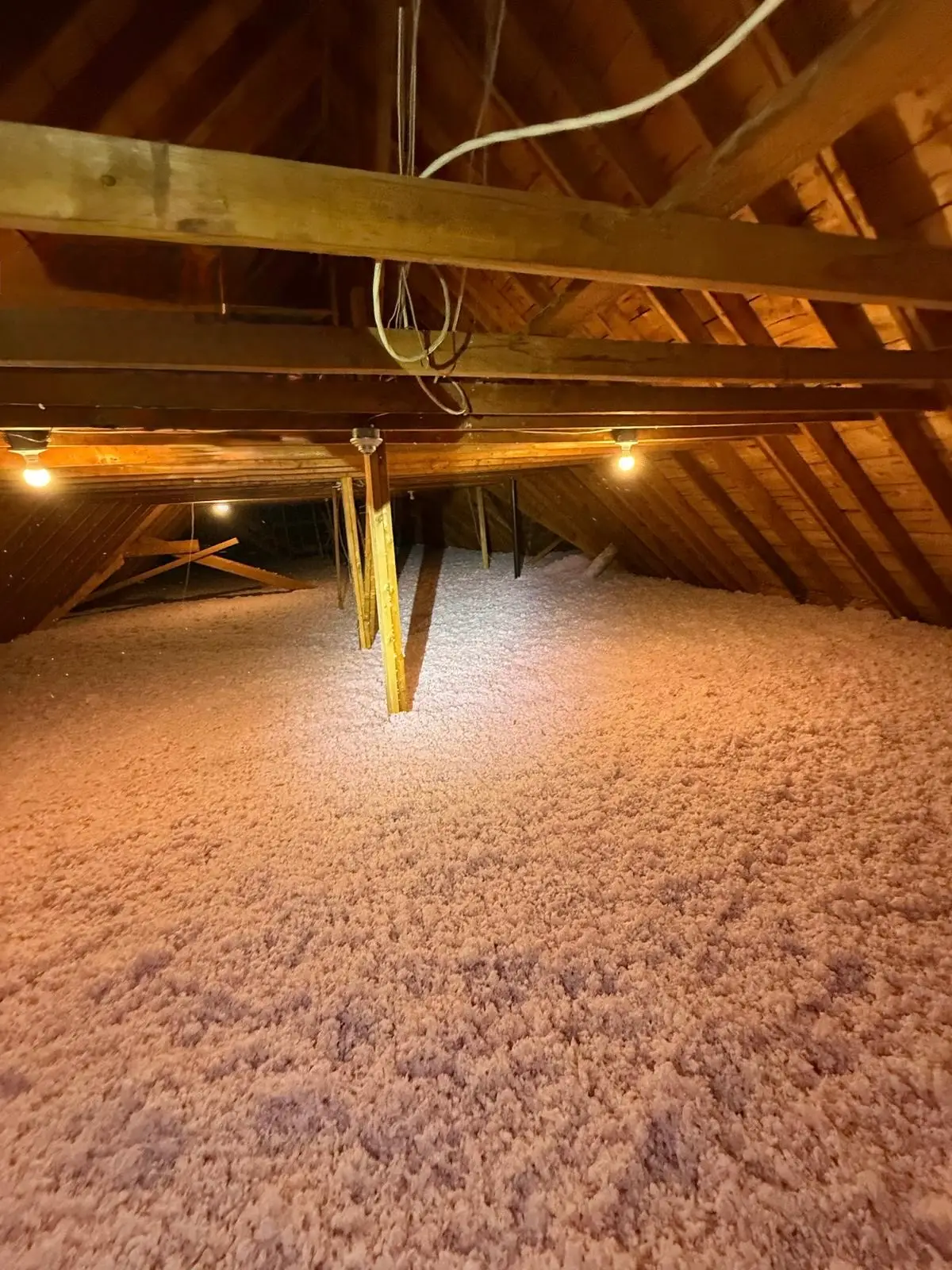
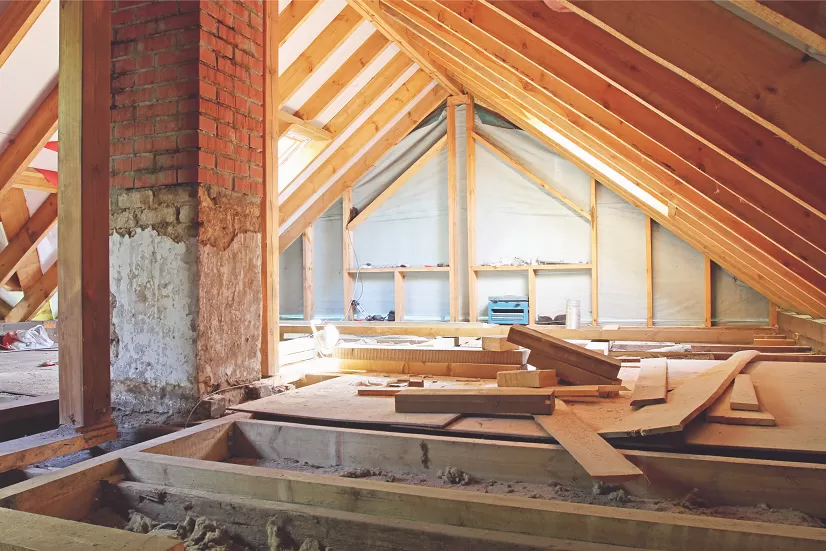
An under-insulated attic is the most common reason a Barrie furnace works overtime. Heat rises, and if there isn’t enough insulation above your ceiling, it moves straight through. Attic insulation in Barrie is usually the single most effective upgrade for cutting furnace runtime, and the work happens in the attic rather than your living space.
How Much Is Enough?
Insulation is measured by R-value: the higher the number, the better it resists heat flow. Ontario’s attic rebate program uses R-50 as its target, which is a sensible goal for most homes. Here’s roughly what that means in depth:
| Material | Approx. R-value per inch | Approx. depth for R-50 |
|---|---|---|
| Blown-in cellulose | R-3.4 to R-3.8 | About 13 to 15 inches |
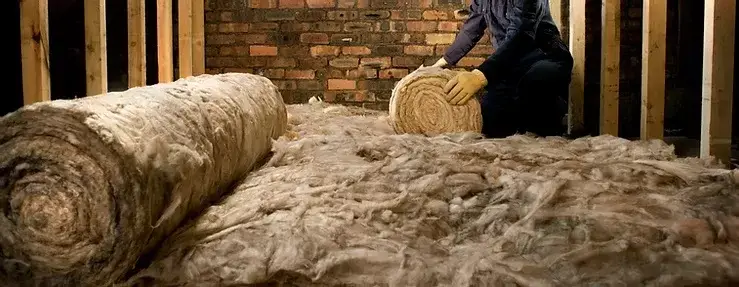
| Blown-in fibreglass | R-2.7 to R-3.0 | About 17 to 19 inches |
If you can see the tops of your ceiling joists, you are well short. If your existing insulation is clean and dry, new material can be blown right on top and the R-values add together.
Choosing a Material
Blown-in cellulose is denser and better at slowing air movement through the attic. Blown-in fibreglass is lighter and often more budget-friendly. Both can reach R-50.
Protect Your Ventilation
In an ice-dam-prone area, attic ventilation matters as much as insulation. Cold outside air needs to flow in at the soffits and out near the ridge to keep the roof deck cold. Baffle installation keeps that airflow open at the eaves so new insulation doesn’t block it.
If your attic has wet, stained or mouldy insulation from past ice dams, it should come out before anything new goes in. See our attic insulation removal service.
2. Seal the Leaks Into Your Attic
Insulation slows heat, but it doesn’t stop warm air from physically leaking through gaps. Pot lights, bathroom fans, plumbing stacks and an unsealed attic hatch all let warm, moist air into the attic, which is exactly what feeds ice dams. Weatherstripping the hatch is an easy weekend fix. For whole-house sealing, look at AeroBarrier air sealing.
3. Don’t Forget the Bottom of the House
When warm air escapes at the top, cold air gets pulled in at the bottom. Rim joists in the basement are a common entry point. 2 lb closed-cell spray foam insulates and air-seals them in one step.
4. Clear the Snow Away From Vents
After a big Barrie snowfall, check the outside of your house. High-efficiency furnaces vent through the wall, and if snow blocks the intake or exhaust pipes, the furnace can shut down. Keep those pipes clear, along with your dryer vent and any other exterior vents.
5. Let Your Thermostat Do the Work
Cranking the thermostat up won’t heat the house faster. It just makes the furnace run longer. Set a steady comfortable temperature and lower it a few degrees overnight. A smart thermostat automates this, and the Home Renovation Savings program offers a rebate on eligible smart thermostats.
What About the Attic Rebate?
Ontario’s Home Renovation Savings program, run by Enbridge Gas and Save on Energy, offers up to $1,250 for bringing an attic up to R-50 with no home energy assessment required. The amount depends on your starting level:
- R-12 or less: up to $1,250
- Above R-12 to R-25: up to $1,000
- Above R-25 to R-35: up to $800
This attic-only rebate has to be completed by one of the program’s participating contractors. If you plan two or more upgrades, the assessment-based path offers up to $1,500 for attic insulation. The program has been extended to November 30, 2026, but it can change or close early. Visit our energy rebate page and we’ll help you work out which path fits your home.
Frequently Asked Questions
Why does my Barrie home get ice dams every winter?
Ice dams form when heat leaking from your living space warms the roof and melts the snow, which then refreezes at the cold eaves. Better attic insulation, air sealing and clear ventilation are the long-term fix.
Can attic insulation be installed in winter?
Yes. Blown-in insulation can be installed year-round, and you can stay in your home while the work is done.
Do I need to remove my old insulation?
Usually not. If it is dry and clean, new insulation goes on top. Removal is only needed if it’s wet, mouldy or damaged by pests.
Book a Free Attic Assessment in Barrie
Pro Insulation Contracting will measure your current insulation, check your ventilation and explain your options before you commit to anything. Request your free estimate or call (416) 315-0471.